
IFRS Explained

ifrs 16

IFRS 16 Can Transform Financial Ratios

Imagine two retail companies operating identical businesses in Bangladesh. Both rent large showroom spaces in Dhaka and Chattogram and pay annual rent of BDT 20 million. Before IFRS 16, these lease commitments could largely remain off the balance sheet if classified as operating leases. Investors often saw only the annual rental expense in the income […]

IFRS 16 Can Transform Financial Ratios Read More »

38302

IFRS 20 : The New Standard

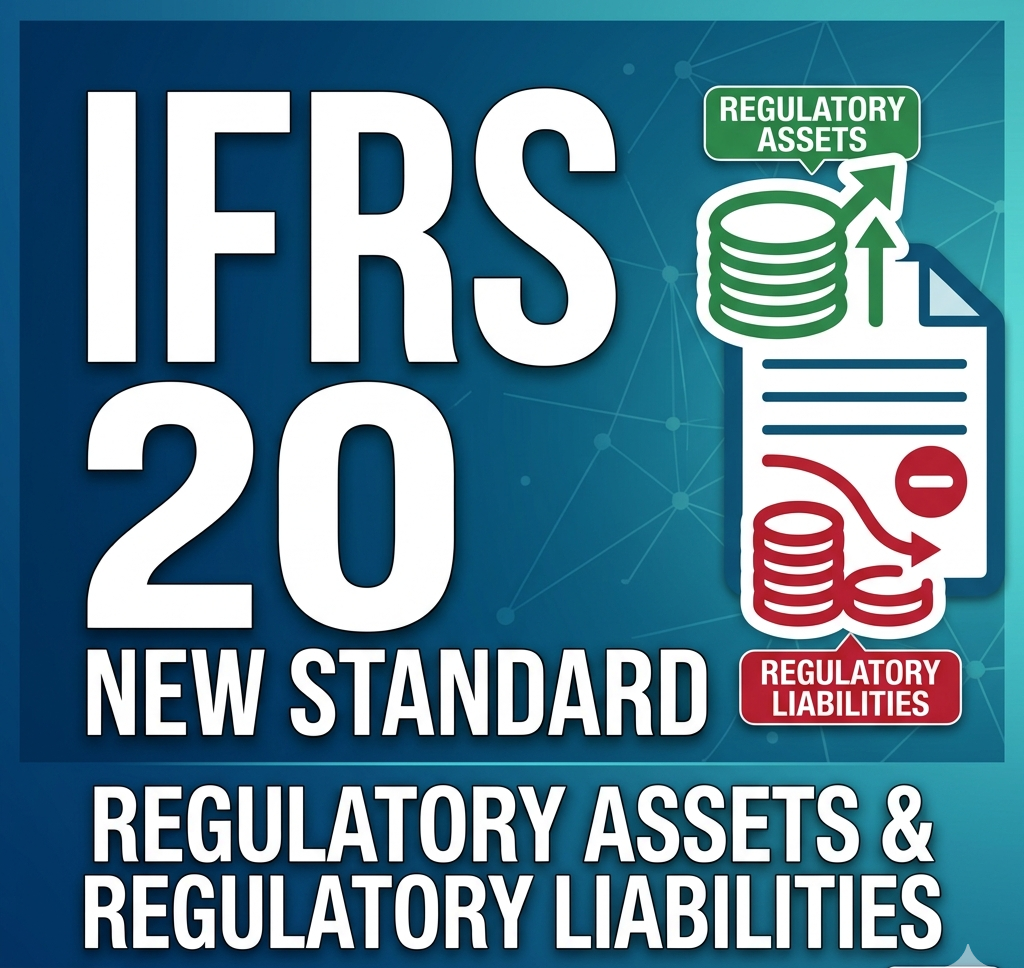
The standard IFRS 20: Regulatory Assets and Regulatory Liabilities, newly finalized by the International Accounting Standards Board (IASB), marks a historic shift for companies operating in rate-regulated industries like banks, public transport, telecom, energy etc. Its core meaning focuses on standardizing how businesses account for timing differences created by regulators. In sectors like power, water,

IFRS 20 : The New Standard Read More »

IFRS Accounting

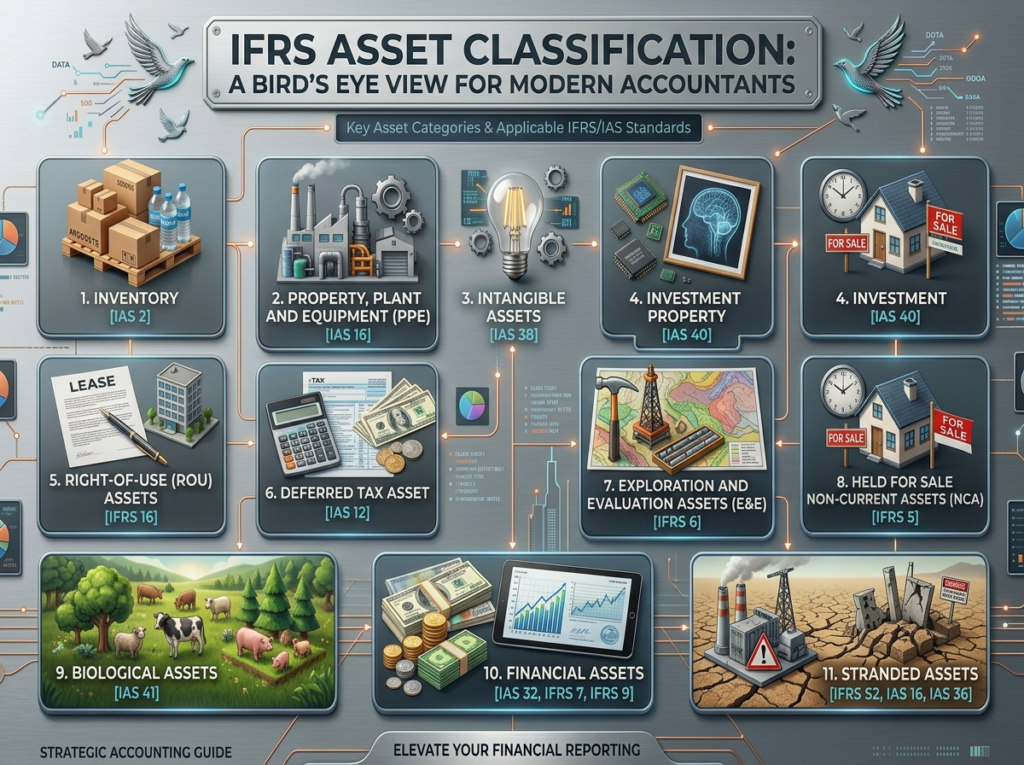
Classification of Assets per IFRS Accounting – A bird’s eye view

Asset is the most important resource in business and modern financial accounting today is governed by IFRS. Therefore, it is essential for the accounting people to have a broader understanding of assets classification per IFRS accounting. A summary of the classification of the assets is given below: • Inventory : Treated under IAS 2 •

Classification of Assets per IFRS Accounting – A bird’s eye view Read More »

Treatment of Income

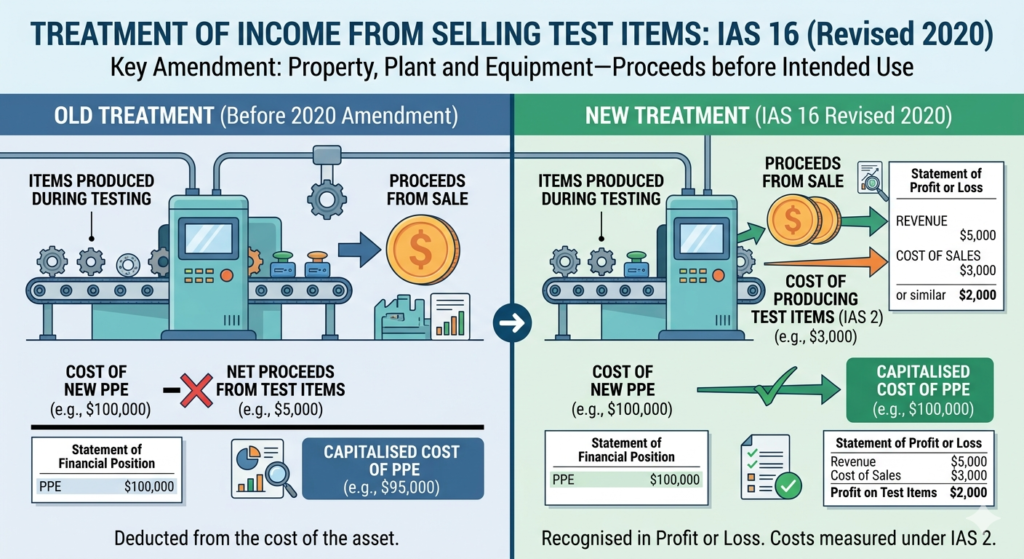
Treatment of Income from Selling Test Items under IAS 16 (Revised 2020)

IAS 16 Property, Plant and Equipment provides guidance on how to account for tangible fixed assets used in production or supply of goods and services. A common issue arises when a new machine or plant is being tested before it is available for its intended use. During this testing phase, the entity may produce items

Treatment of Income from Selling Test Items under IAS 16 (Revised 2020) Read More »

Uncertainty over Income

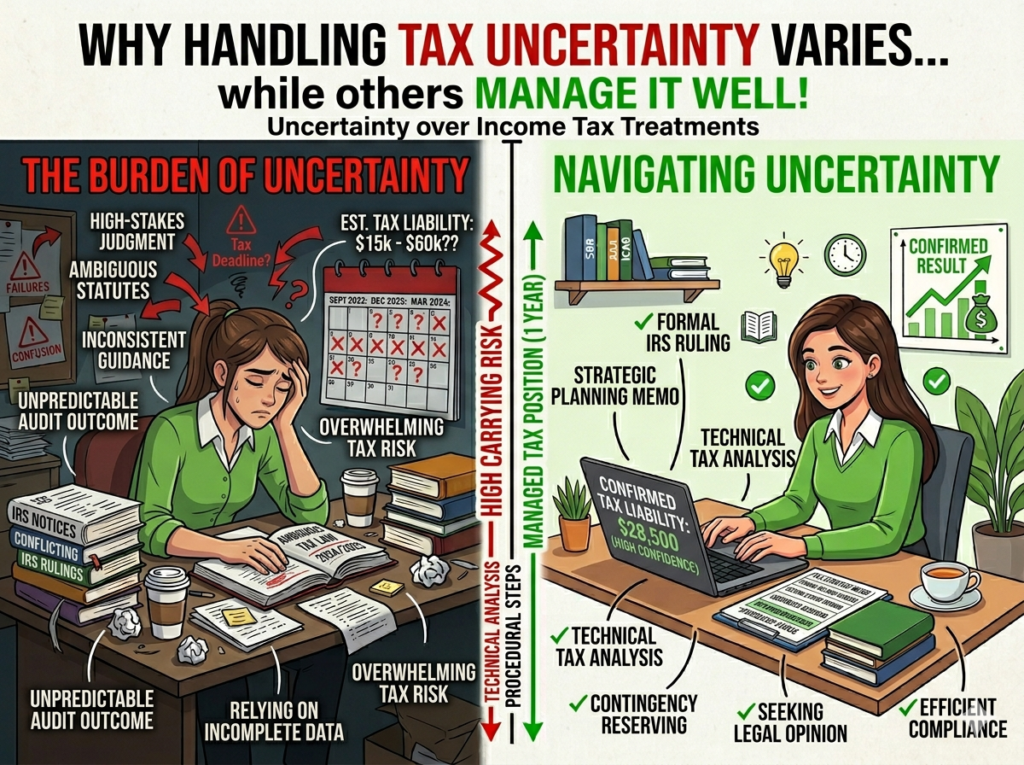
Uncertainty over Income Tax Treatments —

Income tax is often one of the most judgment-driven areas of financial reporting. While IAS 12 sets out the principles for recognizing and measuring current and deferred tax, real-world situations frequently involve uncertainty — for example: Will the tax authority accept a particular deduction? Is a transfer pricing adjustment likely? How should pending litigation be

Uncertainty over Income Tax Treatments — Read More »

NCI

Why Non-Controlling Interest (NCI) is Part of Equity in Consolidation

In group accounting, the concept of Non-Controlling Interest (NCI) plays a vital role in presenting the consolidated financial position of a parent and its subsidiary. When a parent company obtains control over a subsidiary, it combines the financial statements of both entities to present them as a single economic unit. However, control does not always

Why Non-Controlling Interest (NCI) is Part of Equity in Consolidation Read More »

structural integrity

The structural integrity of financial reporting relies on the distinction between an entity’s current performance and specific technical adjustments to equity.

Profit or Loss (P/L) serves as the primary record for performance, while Other Comprehensive Income (OCI) is strictly reserved for “exceptions”—items that affect equity but are not part of day-to-day results. A frequent misconception is that all unrealized gains and losses belong in OCI; however, OCI only captures specific items mandated by international standards. These

The structural integrity of financial reporting relies on the distinction between an entity’s current performance and specific technical adjustments to equity. Read More »

Scroll to Top